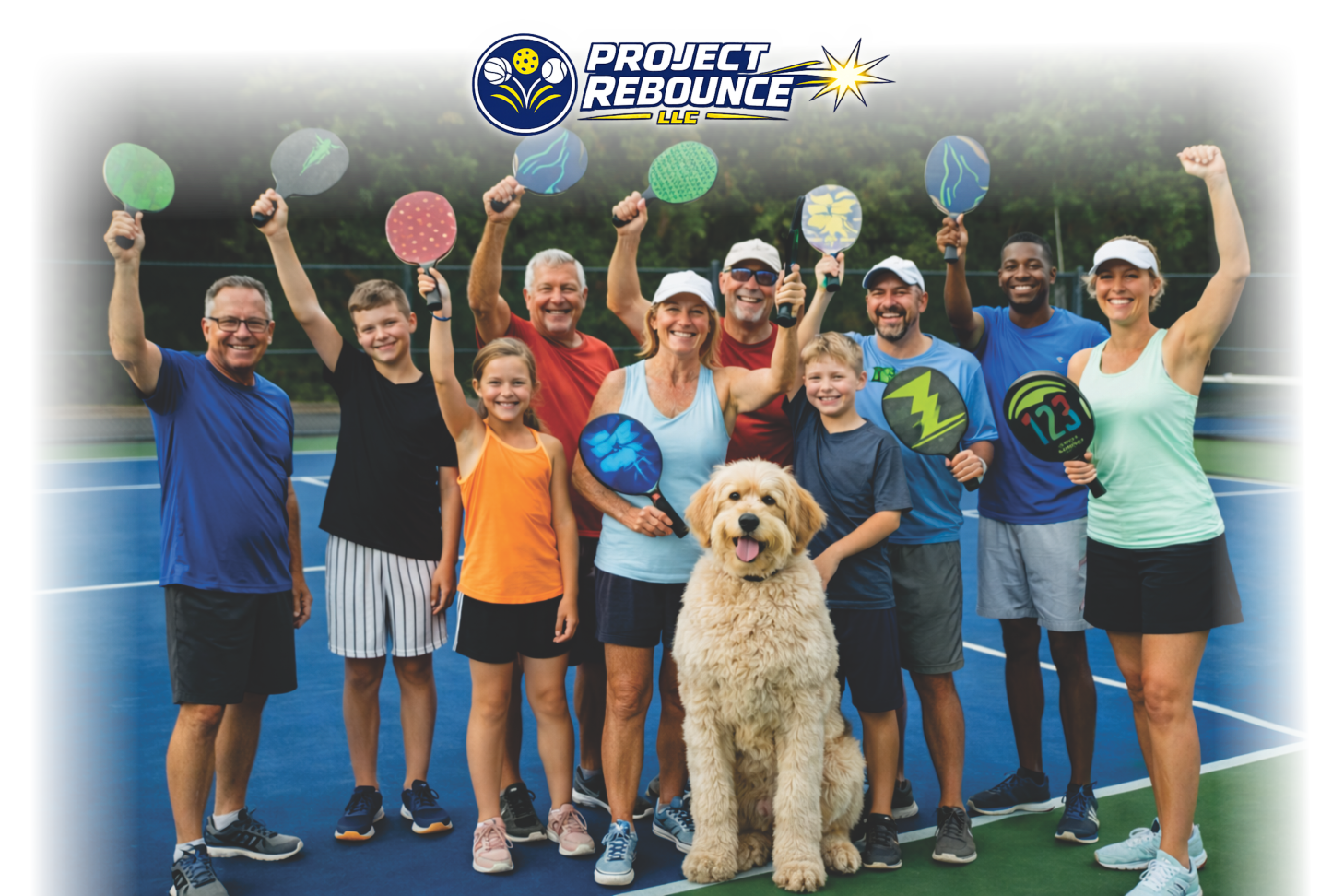

About Tennis Court Pensacola Projects
What does it take to build or resurface a tennis court?
A high-quality tennis court starts with proper foundation work, surface preparation, and precision coating systems. Whether building new or restoring an existing court, the key is creating a surface that plays consistently, drains correctly, and holds up over time.
At Project Rebounce, we specialize in tennis court construction, resurfacing, and conversions for municipalities, parks, schools, and residential properties. Our goal is simple—deliver courts that perform, last, and look clean.


Professional Woman Owned Business in NW Florida
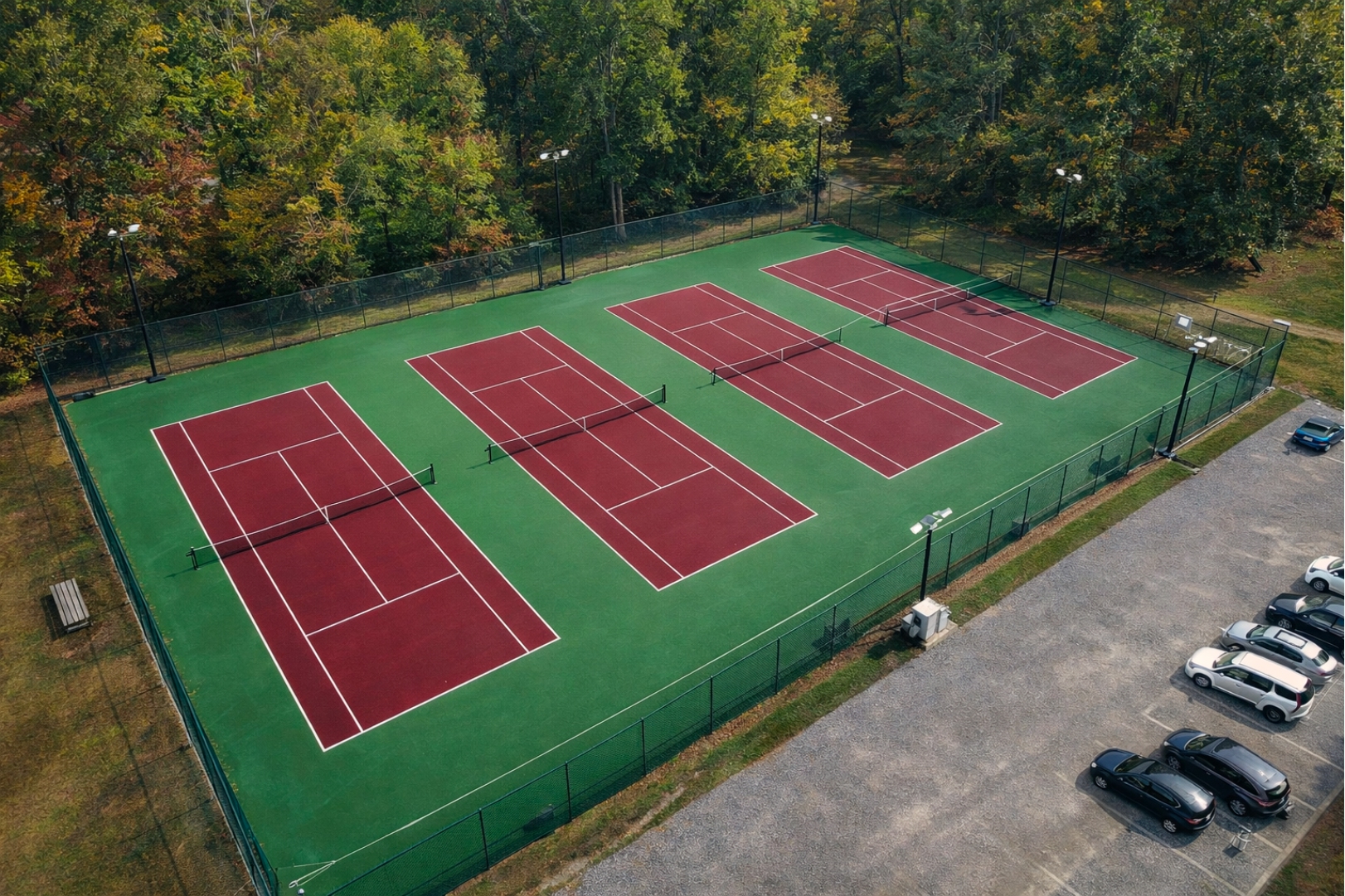
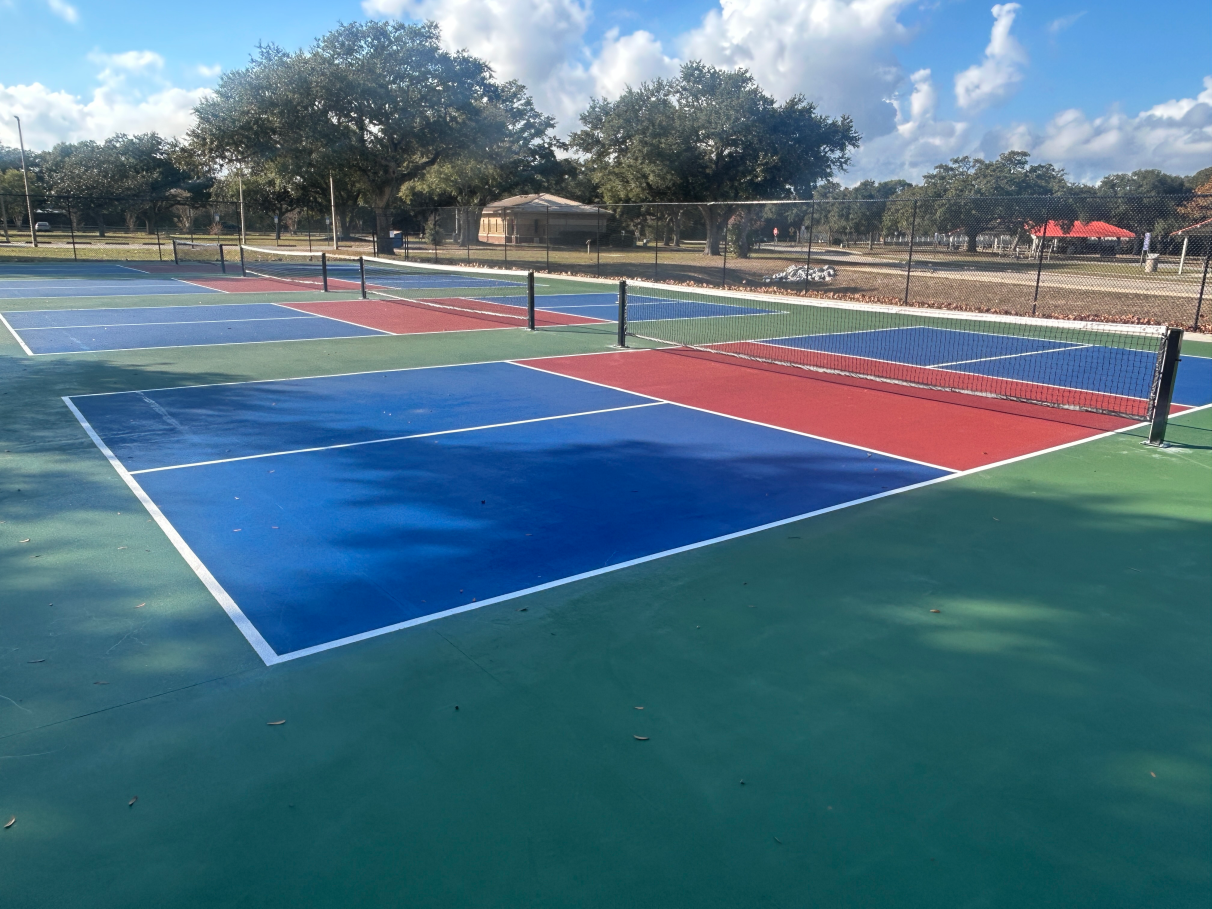
Custom Colors
Court Conversions
Court Layouts
%
Client Satisfaction
About Project Rebounce and Our Court Projects.
What does it take to build or resurface a tennis court?
A high-quality tennis court starts with proper foundation work, surface preparation, and precision coating systems. Whether building new or restoring an existing court, the key is creating a surface that plays consistently, drains correctly, and holds up over time.
At Project Rebounce, we specialize in tennis court construction, resurfacing, and conversions for municipalities, parks, schools, and residential properties. Our goal is simple—deliver courts that perform, last, and look clean.
WHAT WE DO
We provide complete tennis court solutions:
- New tennis court construction
- Tennis court resurfacing
- Crack repair and restoration
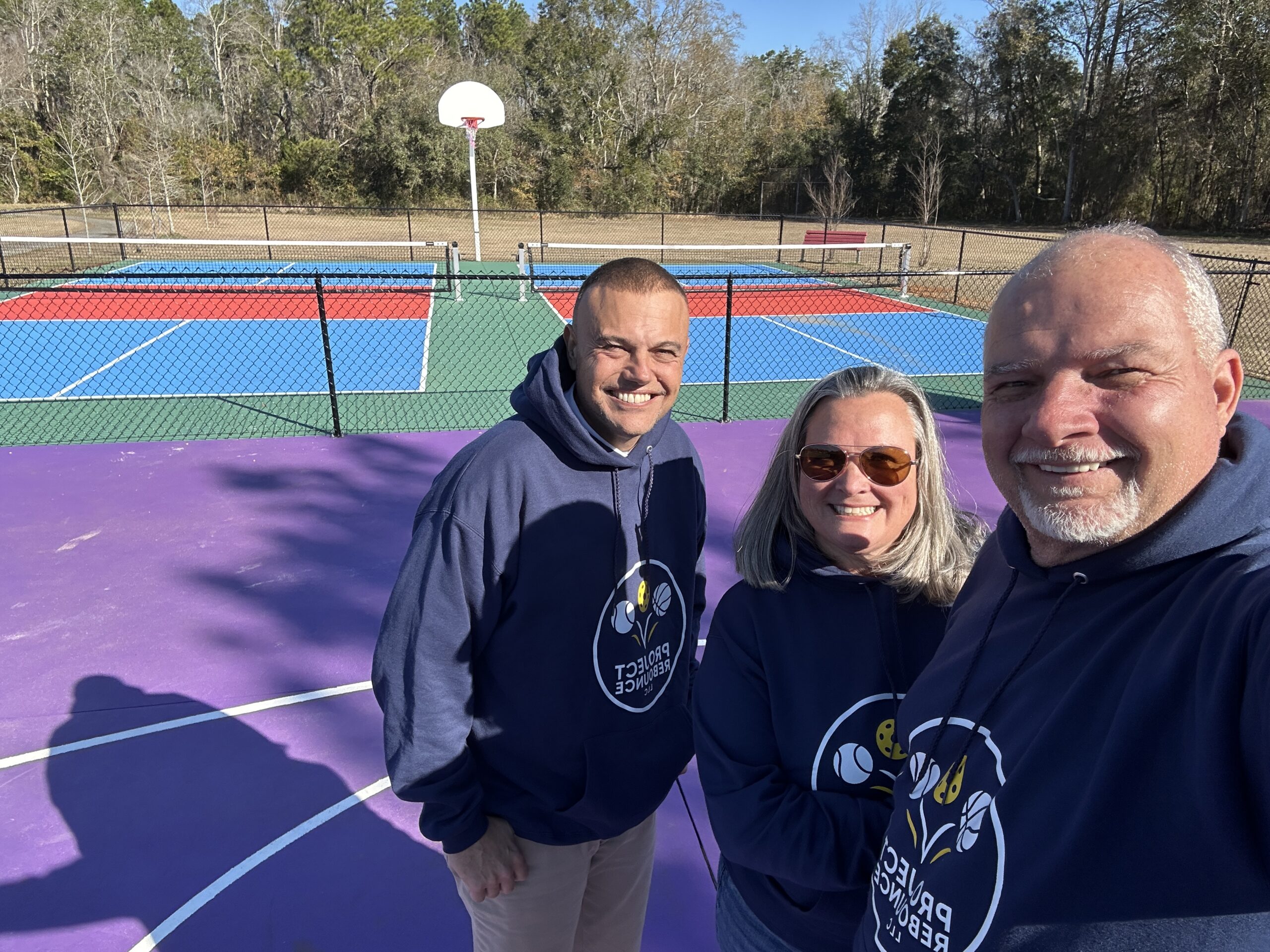
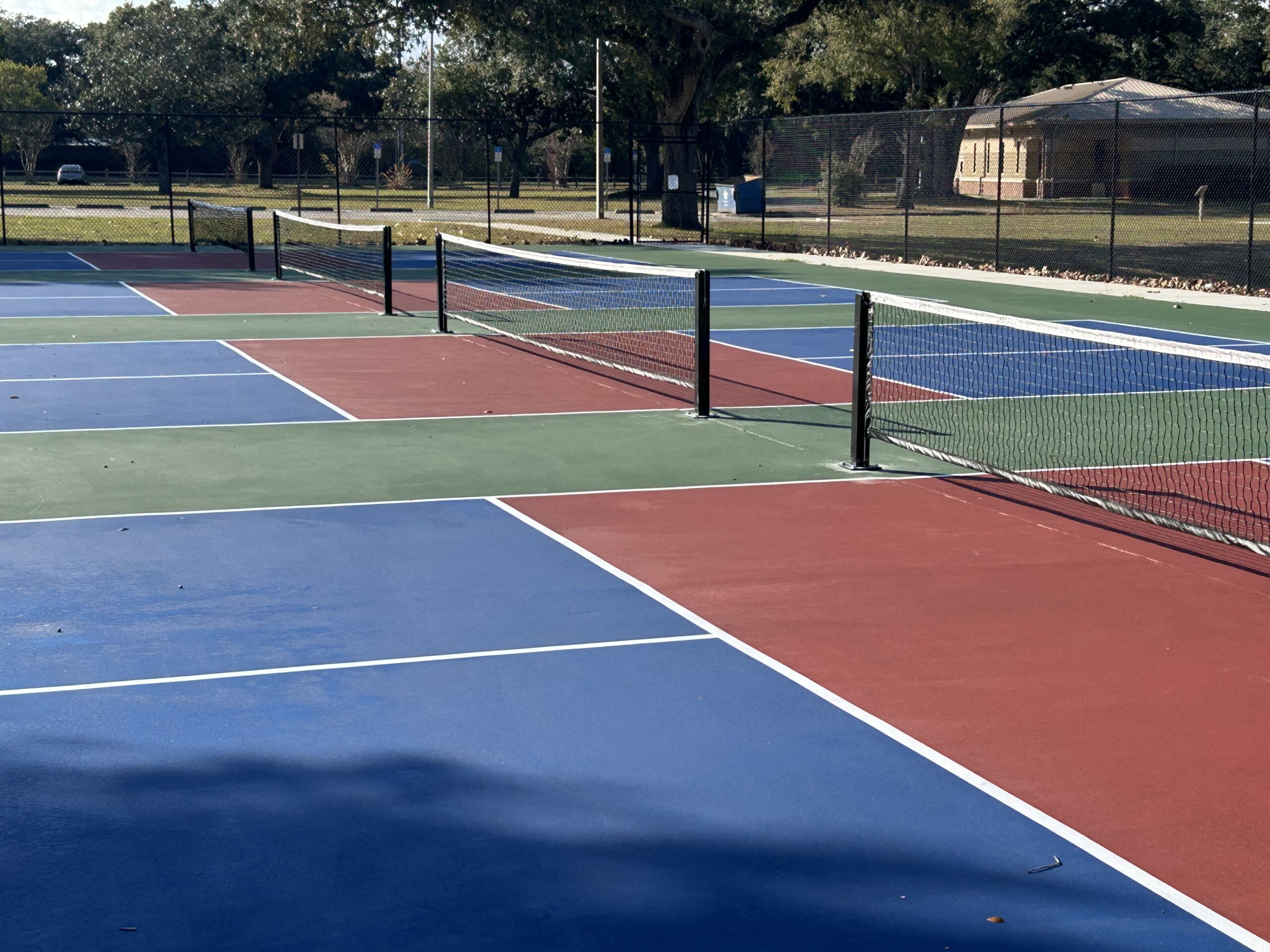
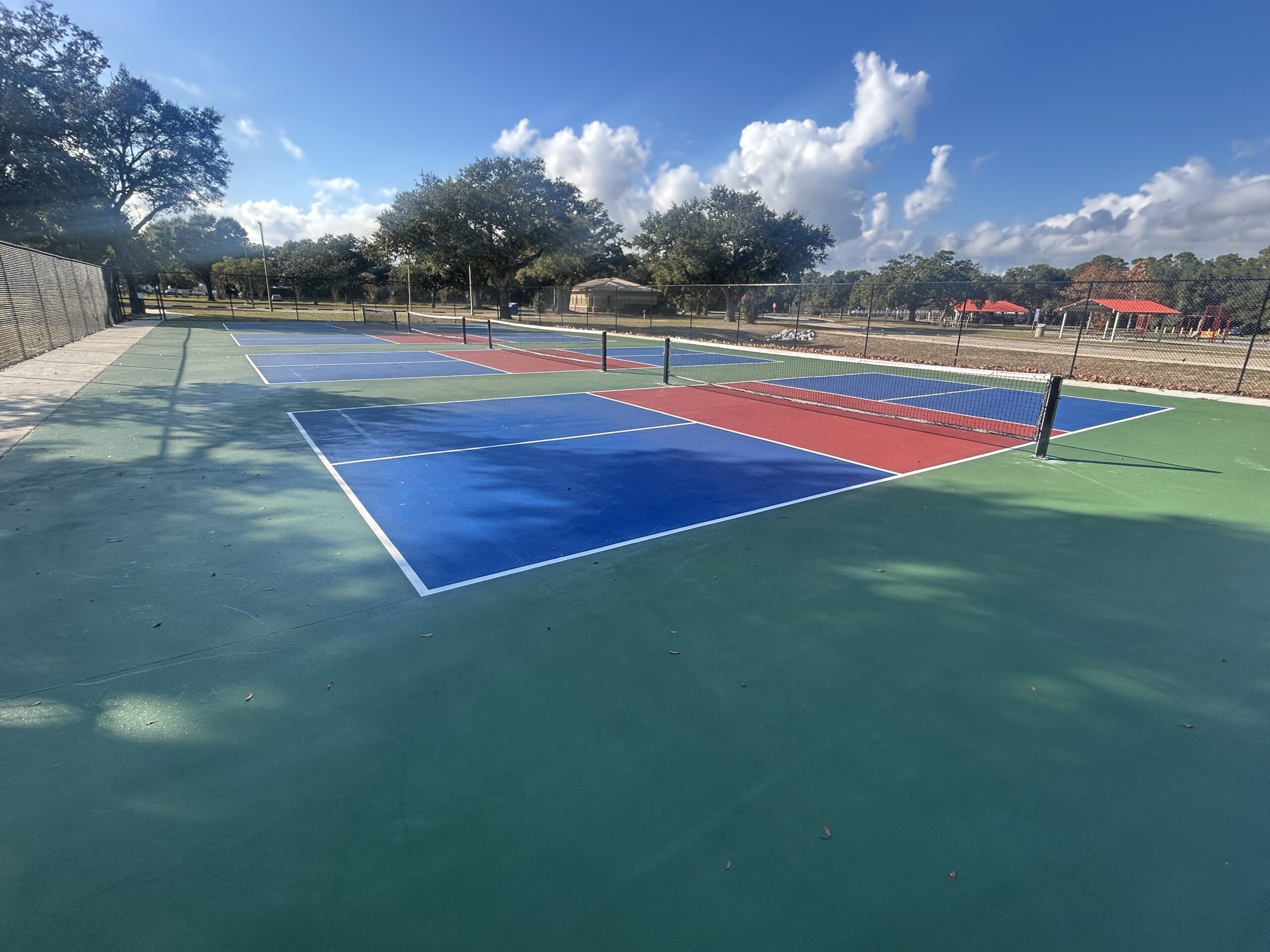
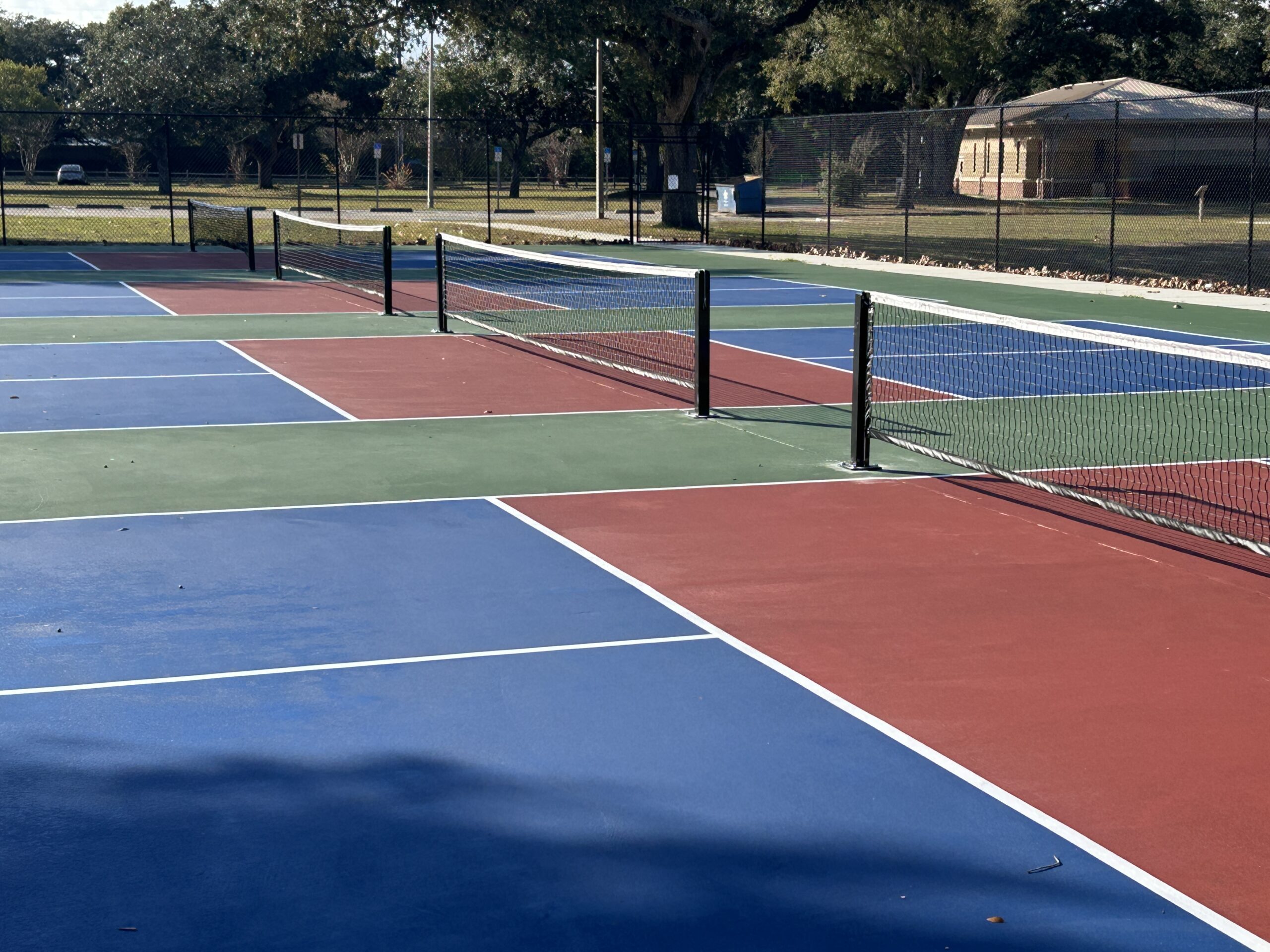
- Tennis to pickleball conversions
- Multi-use court layouts
- Line striping and color coating
From brand-new courts to full restorations, we handle the entire process.
OUR TENNIS COURT PROCESS
How does Project Rebounce build or resurface a tennis court?
1. Site Evaluation & Planning
We assess:
- Existing court condition
- Drainage and slope
- Structural integrity
- Usage needs
We design for:
- Proper play speed
- Long-term durability
- Multi-use flexibility if needed
2. Surface Preparation (CRITICAL STEP)
- Cleaning and sanding existing surfaces
- Crack repair systems
- Structural patching
- Bird bath leveling (low spots)
This step determines how long the court will last.
3. Resurfacing System
- Acrylic coating systems
- Texture application for grip and ball response
- Color systems for visibility and durability
4. Line Striping
- Regulation tennis court layout
- Clean, sharp line application
- Optional blended multi-sport layouts
5. Final Setup
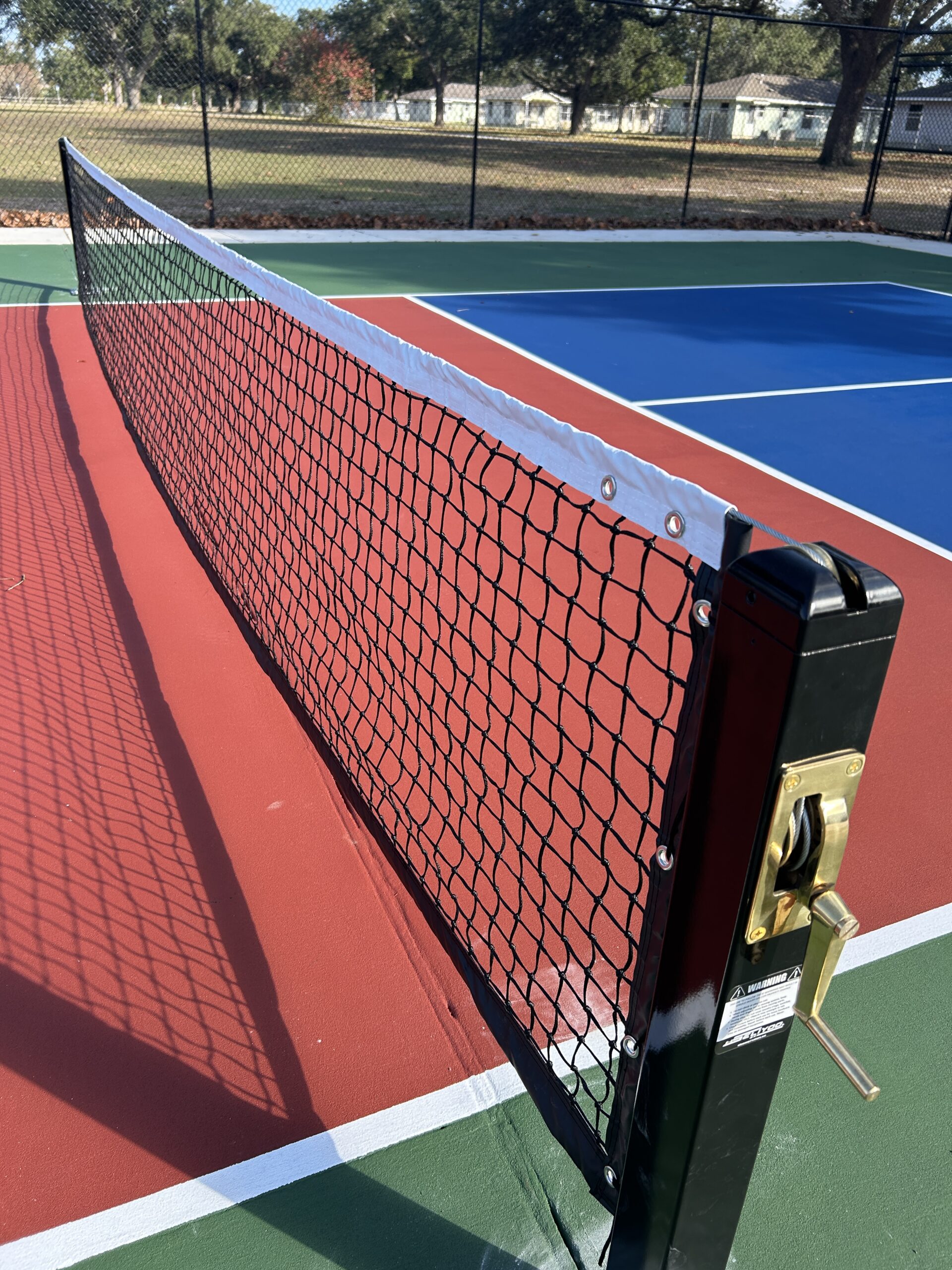
- Net installation
- Hardware and accessories
- Final inspection
TENNIS COURT RESURFACING
When should a tennis court be resurfaced?
You should resurface if:
- Cracks are forming
- Surface is fading or peeling
- Water is pooling (bird baths)
- Court play feels inconsistent
 Regular resurfacing extends court life and improves play quality.
TENNIS COURT CONVERSIONS
Can a tennis court be converted into pickleball?
Yes—and it’s one of the most common upgrades today.
We convert:
- Full tennis courts → multiple pickleball courts
- Underused courts → multi-use spaces
- Damaged courts → restored pickleball surfaces
This increases usage and modernizes existing facilities.
MULTI-USE COURTS
Can tennis courts be used for multiple sports?
Yes. Many courts today include:
- Tennis + pickleball
- Tennis + basketball
- Tennis + shuffleboard
This maximizes space and allows more community use.
COMMON TENNIS COURT ISSUES
What problems do tennis courts develop over time?
- Surface cracking
- Low spots holding water
- Fading and wear
- Poor drainage
- Uneven play surfaces
We address these issues during preparation and resurfacing.
COST & VALUE
Is resurfacing a tennis court better than rebuilding it?
In most cases:
- Resurfacing is more cost-effective
- Faster turnaround
- Extends life of existing court
Full reconstruction may be needed if:
- Base failure exists
- Severe structural damage is present
WHERE WE WORK
Project Rebounce provides tennis court construction and resurfacing across:
- Pensacola
- Destin
- Fort Walton Beach
- Panama City
- Gulf Shores
- Daphne & Fairhope
- Mobile
- Birmingham
We focus on Gulf Coast and Southeastern markets.
WHY PROJECT REBOUNCE
Tennis Court Specialists
 Municipal and park project experience
- Proven resurfacing systems
- Built for Southern climates
- Clean, professional finishes
- Long-lasting results
We build courts that perform consistently and hold up over time.
FAQ
How often should a tennis court be resurfaced?
Typically every 4–8 years depending on usage and climate.
What is the best surface for a tennis court?
Acrylic hard court systems are the most common for durability and consistent play.
Can cracks in a tennis court be repaired?
Yes. Crack repair systems are used before resurfacing to stabilize the surface.
Can a tennis court be converted into pickleball courts?
Yes. One tennis court can typically be converted into multiple pickleball courts.
How long does tennis court resurfacing take?
Most projects take several days depending on prep work and weather conditions.
A few of our Tennis Court Projects










Our Story based on our Customers Opinions
Frequently
Asked Questions
Can an existing tennis or basketball court be converted into a pickleball court?
Do I need to resurface the court before adding new lines?
How much does court resurfacing cost?
How often should courts be resurfaced?
Can one court support multiple sports?
What causes cracks in game courts?
How long does court resurfacing take?
What surface materials are used for court resurfacing?
Is it better to build a new court or resurface an old one?
Does resurfacing improve gameplay?